
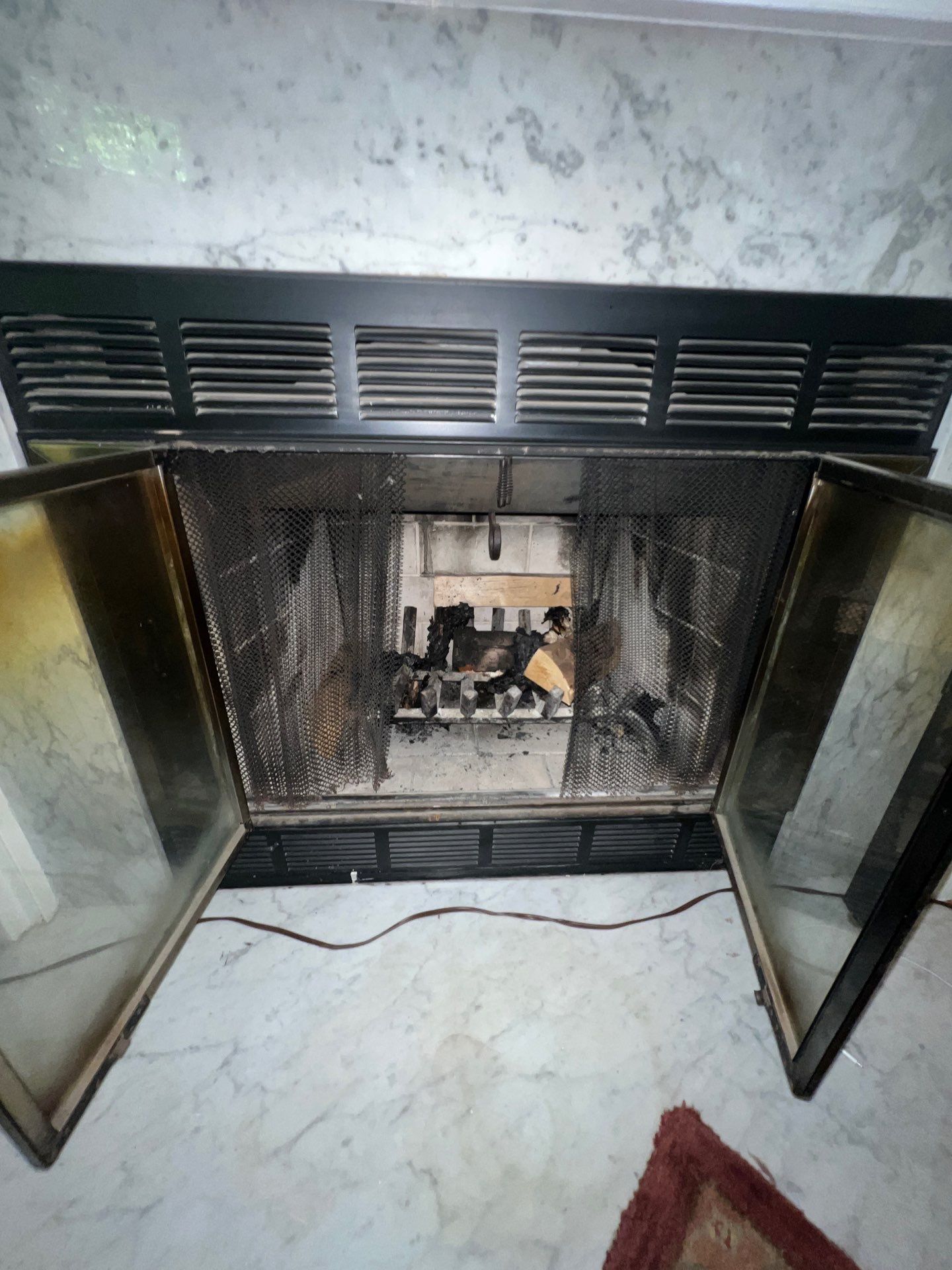
When colder weather starts settling into New Jersey, fireplaces and heating systems begin getting more attention. Before lighting that first fire of the season, scheduling a chimney inspection can help homeowners understand the chimney’s condition and whether anything needs attention before regular use begins.
A chimney can sit unused for months at a time, but that doesn’t necessarily mean nothing has changed. Debris can find its way inside, animals may build nests, and normal wear can affect accessible chimney and venting components. An inspection gives homeowners a chance to catch those concerns before the fireplace becomes part of the winter routine. At All Seasons Air Duct Cleaning, chimney service begins with taking a careful look at the system.
What Does a Chimney Inspection Look For?
A chimney has an important job: carrying smoke and combustion byproducts out of the home. Because much of the system is out of sight, homeowners may not always know when something has changed inside it.
During chimney service, professionals can inspect accessible areas of the chimney, flue, firebox, and venting components for conditions that could interfere with normal operation. That may include soot and creosote buildup, debris, blockages, or signs of damage. The goal is to get a clearer picture of the chimney’s current condition and address any issues.
Creosote and Soot Buildup
Anyone who burns wood in a fireplace is likely familiar with soot, but creosote deserves attention as well. Creosote is a byproduct of wood burning that can accumulate inside a chimney over time.
Because creosote is flammable, significant buildup shouldn’t be ignored. An inspection can help determine whether buildup is present and whether chimney cleaning is needed before the fireplace goes back into regular use.
The amount of buildup can vary depending on how often the fireplace is used and other conditions. That is one reason it makes more sense to inspect the actual chimney instead of assuming every home needs the same service.
Debris and Blockages
A chimney opening is exposed to the outdoors, which means leaves, debris, and nesting material can sometimes end up where they do not belong. These materials can interfere with the chimney’s ability to vent properly. Homeowners may not be able to see an obstruction from inside the house, especially when it is farther up the flue.
A professional inspection can help identify whether something is blocking or restricting an accessible part of the system.
Visible Damage or Deterioration
Chimneys are also exposed to changing weather throughout the year. Over time, different components can show signs of wear or damage. During an inspection, technicians can look for visible concerns within accessible areas and explain what they find. If something needs additional attention, homeowners can then decide how to address it before relying heavily on the fireplace during colder weather.
A Chimney Can Change Between Heating Seasons
It is easy to think of the chimney as simply sitting there unchanged during spring and summer. In reality, it stays exposed to weather and the outdoors even when the fireplace isn’t in use. Rain, wind, debris, and animal activity can all affect chimney areas throughout the year. Existing wear can also become more noticeable over time.
That is one reason a chimney that seemed fine last winter should not automatically be assumed to be in exactly the same condition months later. An inspection before the heating season provides an opportunity to see whether anything changed while the fireplace was out of regular use.
Fall Is a Practical Time to Have the Chimney Checked
Home maintenance tends to become more noticeable as temperatures drop. Furnaces get turned back on, fireplaces are prepared for use, and homeowners start tackling the projects they would rather not discover in the middle of winter. The chimney fits naturally into that seasonal routine.
Having it inspected before regular fireplace use gives homeowners time to understand its condition before the first really cold stretch arrives. If cleaning or other maintenance is recommended, you can address it then instead of discovering the issue when you need the fireplace. There is something reassuring about knowing what is going on rather than guessing.
Chimney Inspection and Chimney Cleaning Are Different
Chimney inspection and chimney cleaning are closely related, but not exactly the same. An inspection evaluates the condition of accessible chimney and venting components. Cleaning focuses on removing soot, creosote, debris, and other material from the chimney and flue.
At All Seasons Air Duct Cleaning, the chimney cleaning process begins with an inspection to check for buildup, obstructions, or damage. Technicians then use professional brushes, vacuums, and specialized tools to remove accumulated material as needed.
Once the work is complete, technicians can review their findings and explain any recommendations for additional maintenance. For homeowners, that distinction is useful. An inspection helps determine what is actually present rather than assuming that every chimney automatically needs the same work.
Signs a Chimney May Need Attention
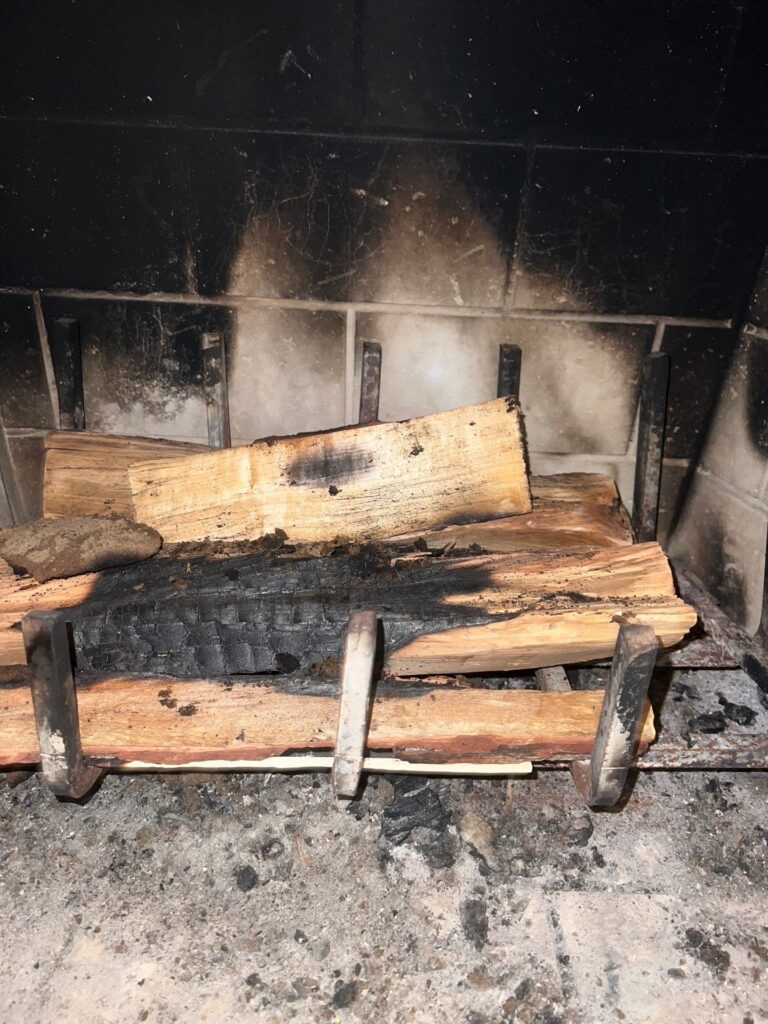
Some chimney concerns are completely out of sight. Others may leave clues that homeowners notice around the fireplace or chimney. Visible debris is one example. An unusual amount of soot around the fireplace can also be worth looking into. Smoke that doesn’t seem to be venting as expected shouldn’t be treated as normal.
Damage around accessible chimney areas may be another reason to schedule service. That said, the absence of an obvious problem does not tell the whole story. Much of the flue cannot be casually inspected from the living room, which is why professional evaluation can be useful even when everything appears normal from the outside.
Homeowners also do not need to diagnose the issue themselves. If something seems different from the previous heating season, a professional can take a closer look and explain what is actually there.
How Often Should a Chimney Be Inspected?
The chimney service information provided by All Seasons notes that most experts recommend chimney cleaning at least once a year, particularly before heating season. Properties where wood is burned frequently, or fireplaces see heavy use, may need service more often. However, each chimney’s condition and use can differ.
A fireplace that is used constantly through the winter may accumulate material differently from one that is only lit occasionally. That is why an inspection is useful: it provides information based on the system’s actual condition rather than relying only on a calendar.
Regular attention can also make it easier to identify buildup, blockages, or visible maintenance concerns before they become an unwelcome surprise.
Preparing the Fireplace for Colder Weather
Getting ready for winter usually involves more than pulling blankets out of storage. Heating equipment starts working harder, doors and windows stay closed more often, and fireplaces may return to regular use. The chimney deserves a place on that seasonal maintenance list.
Before using the fireplace regularly, homeowners can start by looking around the firebox and visible chimney areas for anything that appears unusual. Any obvious debris, damage, or unexpected changes are good reasons to have the system checked. From there, a professional can examine areas that are difficult for a homeowner to evaluate alone.
If cleaning is recommended, professional chimney cleaning removes soot, creosote, and debris using equipment designed for the job. If another concern is found, the technician can explain what they observed and what the next step may be. The point is to understand the chimney’s condition before using it once winter arrives.
Schedule a Chimney Inspection With All Seasons Air Duct Cleaning
A fireplace should be something a household can enjoy, not something homeowners have to wonder about every time they use it. At All Seasons Air Duct Cleaning, we provide professional chimney cleaning and inspection services for New Jersey homeowners. Our chimney service starts with checking the system for buildup, blockages, and visible signs of damage so homeowners understand what is going on before the heating season begins.
When cleaning is needed, our technicians use professional brushes, vacuums, and specialized tools to remove soot, creosote, and debris from the flue and accessible chimney areas. Afterward, we explain what we found and recommend additional maintenance when needed.
Winter arrives quickly. Homeowners who want to have their chimney checked before the fireplace becomes part of the daily routine can contact All Seasons Air Duct Cleaning to request a free estimate or schedule service.
