
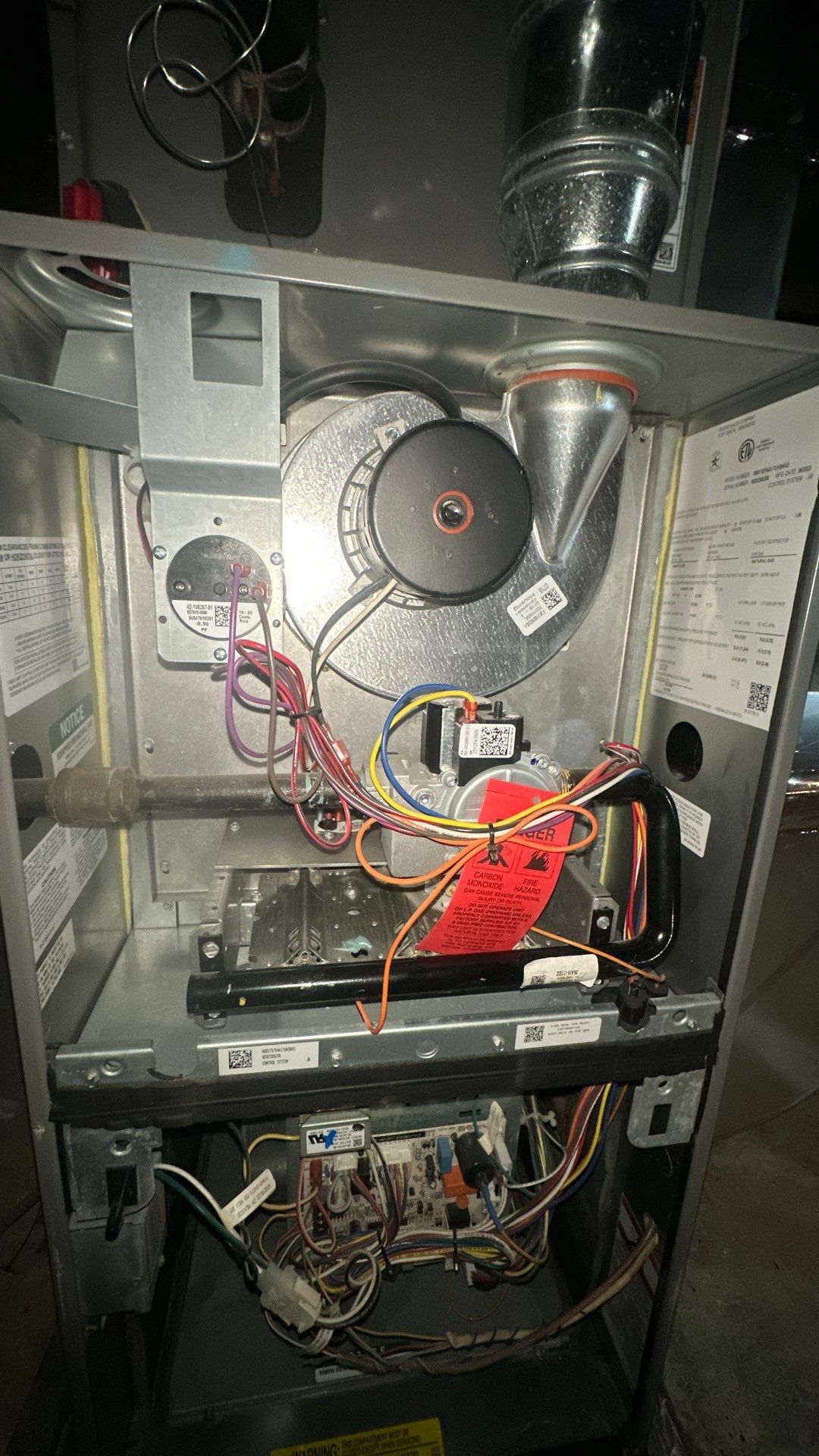
Turning on the heat should bring warm air into the house, not an unexpected odor. Still, a burning smell from furnace vents can sometimes catch homeowners off guard, especially when the heating system hasn’t been used in several months. While certain smells can be temporary, others may indicate a problem that needs professional attention.
For New Jersey homeowners, the first chilly days of fall often bring furnaces back into regular use. Knowing what may be causing an unusual smell helps homeowners tell the difference between something minor and a problem that needs a heating system check.
Why Does the Furnace Smell Like Something Is Burning?
There are several possible reasons for a burning odor when a furnace runs. Some are related to dust that has collected during the warmer months, while others may involve electrical components, airflow restrictions, or problems within the heating system.
The type of smell, how long it lasts, and whether it happens every time the furnace operates can provide useful clues. However, an odor alone isn’t always enough to identify the cause. A faint dusty smell during the first heating cycle is different from a strong electrical burning odor or smoke coming from the system. Recognizing that difference is important when deciding what to do next.
Dust Burning Off When the Heat Turns On
One of the more common reasons for a burning smell is dust that has settled on furnace components while the system was not in use. During spring and summer, dust can collect on certain heating surfaces. When the furnace starts running again, that accumulated dust may heat up and produce a noticeable odor. This is especially common at the beginning of the heating season.
In many cases, the smell fades after the system runs for a short time. But if the odor continues, gets stronger, or returns regularly, don’t automatically blame dust. If the smell seems unusual or won’t go away, have the system inspected rather than assuming everything is operating normally.
Could a Dirty Furnace Filter Be Responsible?
The furnace filter is another area worth paying attention to. Its job is to capture certain airborne particles before they move through the HVAC equipment. When a filter becomes heavily loaded with dust and debris, it can restrict airflow. In some systems, reduced airflow may contribute to overheating or cause safety controls to shut the heating equipment down.
A dirty filter doesn’t always create a burning odor, but it may contribute to conditions that affect furnace operation. Homeowners can check their filters and replace them according to the equipment manufacturer’s recommendations. If a burning smell continues after the filter has been addressed, a qualified HVAC technician should evaluate the system rather than repeatedly attempting to restart it.
When a Burning Smell May Point to an Electrical Problem
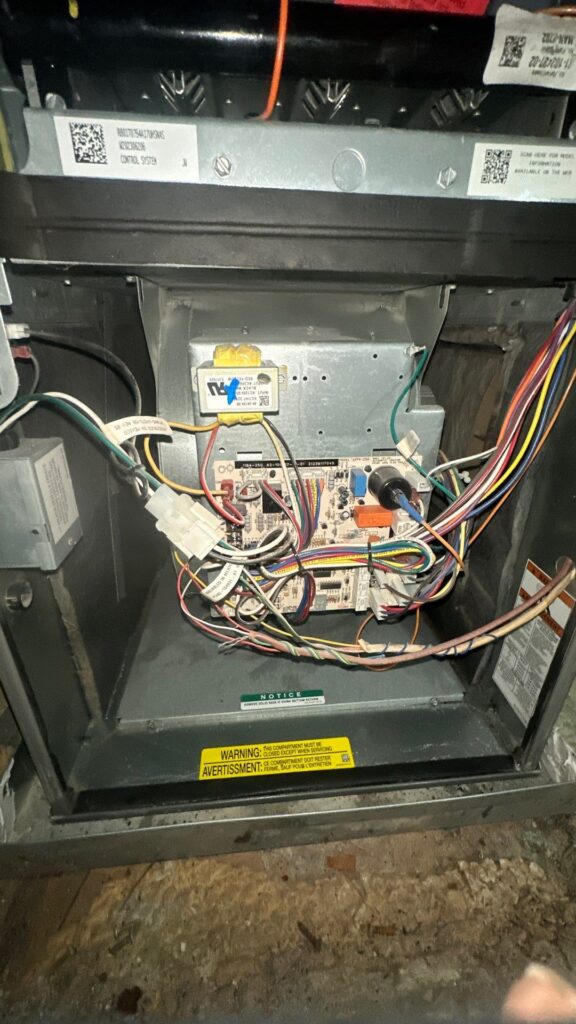
Not every burning odor comes from ordinary dust. A sharp smell resembling burning plastic, melting insulation, or overheated wiring may indicate an electrical concern. Furnaces contain electrical components that help operate motors, fans, controls, and other equipment. If one of these components overheats or malfunctions, it may produce an unusual smell.
These odors should not be treated as a normal part of heating the home. If you suspect an electrical burning smell, turn off the furnace when it is safe to do so and contact a qualified HVAC professional.
Visible smoke, sparks, or signs of fire require immediate attention. Occupants should leave the area and contact emergency services rather than attempting to inspect or repair the furnace themselves.
Can Air Ducts Cause a Burning Smell?
Air ducts carry heated air from the furnace to different rooms, so an odor originating near the heating equipment may become noticeable at several vents. Dust and debris can build up inside ductwork over time, but dust alone doesn’t mean duct cleaning will fix a burning smell. The source could be inside the furnace, around the blower, near an electrical component, or elsewhere in the HVAC system.
This distinction is important because cleaning the ducts will not correct an overheating motor, electrical malfunction, or another mechanical problem. If the heating equipment has been checked and substantial debris is found inside the ductwork, professional air duct cleaning may be worth considering. The cause of the odor should be identified before deciding which service is appropriate.
Other Furnace Smells Homeowners Shouldn’t Ignore
Burning dust and electrical odors aren’t the only unusual smells that may appear when a heating system runs. A strong smell resembling rotten eggs can indicate a natural gas leak, which requires immediate action. Occupants should leave the building, avoid using electrical switches or devices inside, and contact the gas utility or emergency services from a safe location. The furnace should not be restarted until the situation has been evaluated and cleared by the appropriate professionals.
Oil-burning heating equipment may also produce unusual fuel or combustion odors when something is wrong. Persistent fuel smells should be evaluated by a qualified heating professional.
When Should a Professional Check the Furnace?
A temporary dusty odor at the beginning of the heating season may not indicate a serious problem. However, homeowners should pay attention if the smell is particularly strong, lasts longer than expected, or appears after the furnace has been operating regularly.
Some situations that call for professional attention include:
- A burning smell that continues or repeatedly returns
- Odors resembling burning plastic, rubber, or electrical wiring
- A furnace that shuts off unexpectedly or repeatedly overheats
- Unusual noises accompanied by an unfamiliar smell
- Smoke, sparks, or other signs of a potentially serious equipment problem
For suspected gas leaks or fire, emergency services or the gas utility should be contacted immediately rather than scheduling a routine service appointment.
Furnace problems can involve components that aren’t safe for homeowners to inspect or repair themselves. A qualified HVAC technician can evaluate the equipment and determine whether repairs or maintenance are needed.
Keeping the Heating System in Good Condition
A little attention before the heating season can help homeowners recognize potential furnace concerns before the system begins running every day.
Checking and replacing HVAC filters is a practical starting point. Filters should fit properly and be changed according to manufacturer recommendations. Keeping supply and return vents unobstructed also helps maintain the airflow the system was designed to provide.
Regular furnace maintenance is also important. A qualified HVAC technician can inspect heating components, check system operation, and identify issues that may not be visible from the outside.
Homeowners should also keep the area around the furnace clear and watch for unfamiliar odors or changes in how the system runs. If you notice a burning smell, identifying the source is more useful than trying to cover it up or assuming it will disappear on its own.
Have Questions About Your Air Ducts? Contact All Seasons Air Duct Cleaning
An unexpected smell coming through the vents can make it difficult to know whether the concern is with the furnace, the ductwork, or another part of the heating system. Identifying the source is the first step toward addressing the issue properly.
At All Seasons Air Duct Cleaning, we provide professional residential air duct cleaning for New Jersey homeowners. When substantial dust and debris have accumulated inside the ductwork, our team can evaluate the system and explain whether cleaning is appropriate.
If a burning odor suggests an electrical or mechanical furnace problem, a qualified HVAC technician should inspect the heating equipment first. Duct cleaning is not a substitute for furnace repairs. For homeowners interested in learning more about the condition of their ductwork, contact All Seasons Air Duct Cleaning to request an estimate.
